

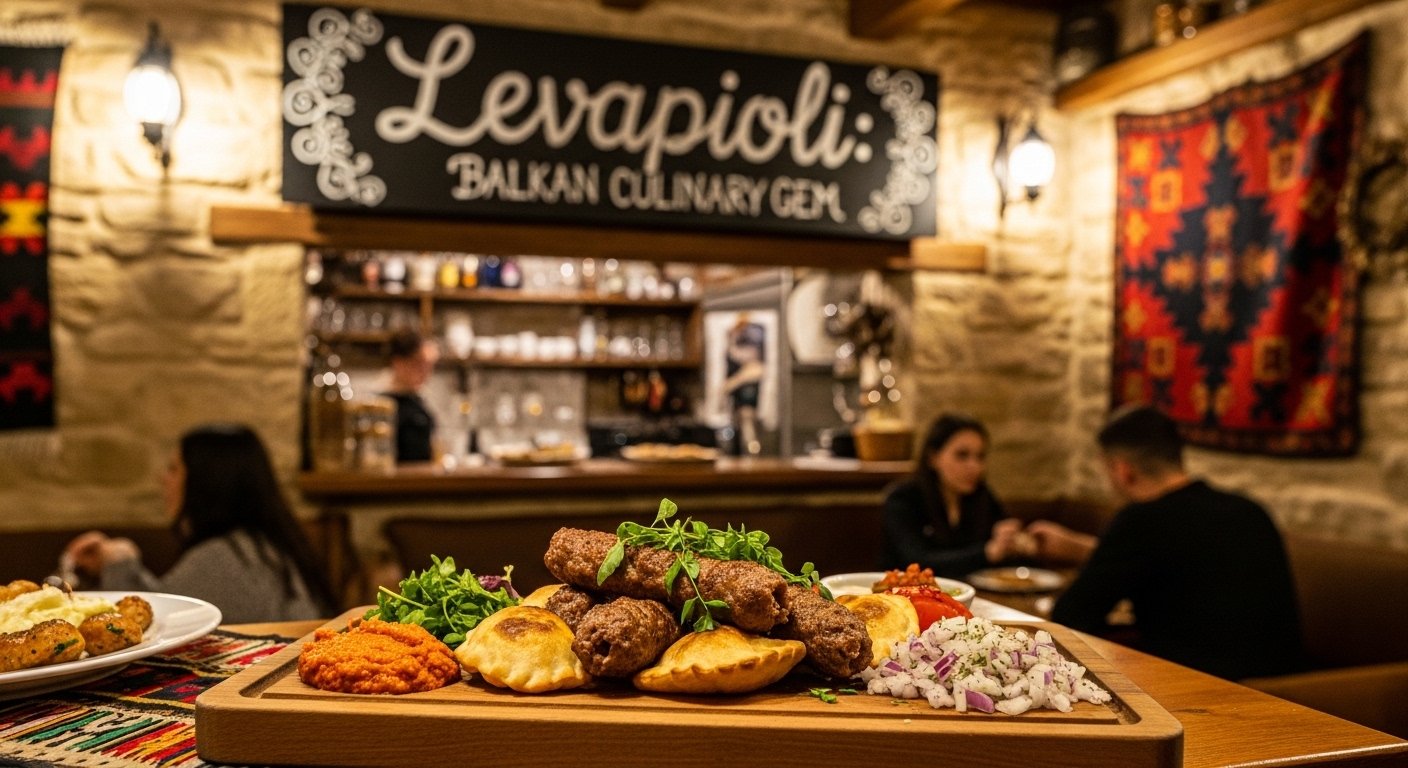
Nestled in the heart of the Balkans, Levapioli is more than just a dish—it’s a delightful culinary experience that has captured the hearts and palates of food lovers around the world. This grilled meat delicacy, often served with warm flatbreads and an array of fresh toppings, brings together rich flavors and a sense of tradition. Whether you’re wandering through bustling markets or enjoying a cozy meal at home, discovering Levapioli is like taking a delicious journey into Balkan culture. Join us as we explore its fascinating history, key ingredients, preparation methods, and how to enjoy this gem in your own kitchen!
The History and Origins of Levapioli
Levapioli, a beloved dish in the Balkans, has roots that stretch back centuries. Its origins can be traced to the Ottoman Empire, where various meat dishes flourished. The blend of spices and cooking techniques introduced by this empire laid the foundation for what we now know as Levapioli.
Traditionally made from minced beef or lamb, it reflects regional variations influenced by local customs. Each Balkan country adds its twist—Serbia celebrates its grilled version while Bosnia offers a slightly spiced take.
As families passed down recipes through generations, Levapioli became more than just food; it morphed into an emblem of cultural identity and community gatherings. Festivals often feature this dish prominently, showcasing not only its flavor but also its significance in social traditions across the region.
Key Ingredients in Levapioli
Levapioli is a delightful dish that revolves around its core ingredients. At the heart of this Balkan staple are grilled minced meats, typically a mix of beef and lamb. This combination gives levapioli its rich flavor profile.
Seasoning plays a crucial role in elevating the dish. Garlic, salt, and black pepper work together to enhance the natural taste of the meat. Some variations may include paprika or cayenne for an extra kick.
Another essential component is the bread, often served alongside levapioli. Traditional pita or somun adds texture and acts as a vessel for savoring every delicious bite.
Onions also make an appearance, whether raw or grilled. They provide freshness that balances out the richness of the meat.
Don’t forget about condiments like ajvar—a roasted red pepper relish—that adds depth to each mouthful.
Traditional Preparation Methods
Traditional preparation methods of Levapioli embody the rich cultural heritage of the Balkans. It starts with marinating ground meat, often a mix of beef and lamb, seasoned with salt, pepper, and sometimes garlic. This step is crucial for infusing flavor.
Once mixed thoroughly, the meat is shaped into small sausages or patties by hand. The iconic shape ensures even cooking on the grill.
Grilling over an open flame or charcoal imparts a smoky aroma that elevates its taste to new heights. Many families use skewers to keep them secure while cooking.
Traditionally served in pita bread with onions and ajvar sauce, this dish brings forth layers of flavors that resonate across generations. Each bite tells a story steeped in tradition, love, and community gatherings around outdoor grills during warm summer evenings.
Variations of Levapioli Across the Balkans
Levapioli isn’t just a dish; it’s a cultural experience that varies across the Balkans. Each region adds its own twist, making every bite uniquely flavorful.
In Bosnia and Herzegovina, levapi are often served in soft pita with onions and ajvar. This combination highlights the robust taste of well-seasoned meat.
Meanwhile, Serbia boasts its own version known as “leskovački,” which features spicy flavors and a smoky aroma from grilling over open flames. It’s an indulgent take loved by many locals.
Montenegro offers yet another variation, incorporating fresh herbs into the mix for added freshness. The coastal influence is evident here, where seafood lovers sometimes pair levapi with grilled vegetables or seafood sides.
Traveling through these regions reveals how this beloved dish adapts to local tastes while still holding onto its core essence. Each plate tells a story shaped by geography and tradition.
Where to Find the Best Levapioli
If you’re on the hunt for authentic Levapioli, the Balkans hold some hidden treasures. Start your culinary journey in Sarajevo, where street vendors serve these grilled delights with a side of fresh somun bread.
In Belgrade, cozy taverns offer their own spin on Levapioli, often paired with tangy ajvar. Look for local favorites that have been passed down through generations.
Zagreb boasts charming eateries that focus on traditional recipes. Here, you can savor Levapioli made from freshly ground meat and spices.
Don’t overlook smaller towns like Mostar or Novi Sad. They often feature family-run restaurants that pride themselves on homemade dishes.
For those outside the Balkans, many cities now boast Balkan-themed restaurants. These spots aim to replicate the rich flavors of this beloved dish while providing a warm atmosphere reminiscent of its homeland.
How to Make Levapioli at Home
Making Levapioli at home is a rewarding experience. Start with high-quality ground meat, typically a mix of beef and lamb. This combination adds depth of flavor.
Next, season your meat with salt, pepper, garlic, and paprika. For an authentic touch, consider adding finely chopped onions or fresh herbs like parsley.
Once seasoned, combine the ingredients thoroughly until they form a cohesive mixture. Then it’s time to shape them into small sausages or patties—about the size of your palm works well.
Grilling is traditional for cooking Levapioli. Preheat your grill to medium-high heat and lightly oil the grates to prevent sticking. Cook for about 4-5 minutes on each side until they’re beautifully browned and cooked through.
Serve hot with somun bread and topped with chopped onions or ajvar for that extra zing! Enjoy this delightful dish as part of any meal or gathering.
Incorporating Levapioli into Modern Cuisine
Levapioli can effortlessly elevate contemporary dishes with its rich flavors. Chefs are getting creative by using this traditional Balkan dish in unique ways.
Picture a fusion taco filled with grilled levapioli, topped with zesty slaw and spicy aioli. It brings an exciting twist to Mexican cuisine while celebrating the Balkans’ culinary heritage.
Another popular trend is serving levapioli on gourmet flatbreads, paired with fresh herbs and tangy yogurt sauce. This combination creates a delightful appetizer perfect for sharing.
For those who love meal prepping, incorporating levapioli into grain bowls adds protein-packed goodness alongside vibrant vegetables and grains.
Even vegetarian versions are emerging, where plant-based patties mimic the texture of classic levapioli while capturing its essence through spices and seasonings.
The versatility of levapioli opens doors to endless possibilities in modern kitchens across the globe.
Final Thoughts and Recommendations
Levapioli is more than just a dish; it’s a celebration of culture, history, and family. This succulent meat delicacy captures the essence of Balkan cuisine with its rich flavors and communal spirit.
When seeking out the best Levapioli, consider exploring local Balkan restaurants or food festivals. Authenticity matters here, so look for places that prepare this dish using traditional methods to truly appreciate its heritage.
If you’re inspired to try making Levapioli at home, you’ll find joy in hand-rolling those little sausages. Experimenting with spices can help tailor the flavor profile to your liking while keeping true to its roots.
As culinary trends evolve, there’s room for creativity. Incorporating Levapioli into modern dishes—like gourmet tacos or sliders—can introduce this beloved staple to new audiences.
Take some time to savor every bite of Levapioli during your next meal. Whether dining out or cooking at home, you’re not just enjoying food; you’re connecting with an entire culture steeped in tradition and warmth. Explore different variations from across the Balkans and let each experience add richness to your culinary journey.